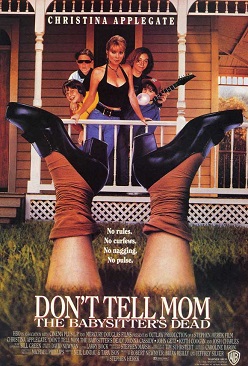
What Makes The Don't Tell Mom The Babysitter's Dead Remake a 'Perfect' Update?
Reimagining a beloved cult classic is a delicate art, fraught with the risk of alienating nostalgic fans or failing to capture new audiences. Yet, director Wade Allain-Marcus's Don't Tell Mom The Babysitter's Dead remake doesn't just navigate these waters successfully; it triumphantly redefines the film for a new generation, earning its status as a 'perfect' update. From its opening moments, the film signals a fresh narrative direction, transforming the familiar premise into something genuinely new, heartfelt, and uproariously funny. This isn't merely a rehash; it's a vibrant evolution that honors the spirit of the original while fearlessly charting its own course.
A Modern Take on a Beloved Classic
The original Don't Tell Mom The Babysitter's Dead, despite its initial lukewarm reception, carved out a significant niche as a cherished cult classic. Its premise—kids left alone after their tyrannical babysitter unexpectedly dies—offered a blend of dark humor and wish fulfillment for unsupervised youth. The 2024 remake, however, doesn't just copy this blueprint; it smartly modernizes it. Director Allain-Marcus doesn't miss a beat, immediately preparing the innocent protagonist, 17-year-old Tanya Crandell (Simone Joy Jones), for a summer vastly different from her dreams. Gone are the generic trappings, replaced by a nuanced understanding of contemporary struggles and family dynamics.
By subtly altering key details and streamlining the narrative, the remake feels inherently more focused and purposeful. It sheds unimportant extra characters, allowing the core story to shine brighter and resonate more deeply with modern viewers. This deliberate choice makes the events not only more comical and buoyant but also far more memorable. It’s a refreshing change in an era of often bland remakes, demonstrating how to evolve a narrative without sacrificing its foundational charm. For anyone curious about how a remake can truly stand on its own, this film offers a compelling answer. Discover more about its contemporary relevance in The Don't Tell Mom Remake: A Fresh Look at the Cult Classic.
The Crandell Family: A Deep Dive into Dynamic Bonds
One of the most significant and lauded changes in the Don't Tell Mom The Babysitter's Dead remake is its central focus on a Black family, the Crandells. This shift isn't merely cosmetic; it enriches the narrative with new cultural layers, humor, and emotional depth. Tanya, who desperately wanted to travel to Spain with her best friends, sees her plans evaporate when her widowed mother (Patricia ‘Ms. Pat�� Williams) experiences an emotional breakdown at work. Her mother's doctor-prescribed yoga immersion in Thailand not only derails Tanya's summer but also demands her hard-earned vacation money, setting the stage for the chaotic summer ahead.
The dysfunctional Crandell siblings—including burn-out Kenny (Donielle T. Hansley Jr.), sinister Melissa (Ayaamii Sledge), and simpleminded Zack (Carter Young)—are forced to unite and navigate the unimaginable. Screenwriter Chuck Hayward does a brilliant job of modifying the original script, co-created by Neil Landau and Tara Ison, by delving deeper into the theme of family bonds. Each Crandell sibling receives intriguing character development, and one of the original's more superfluous siblings is thoughtfully removed, tightening the family unit. This intentional focus allows the film to explore how these young people, against societal expectations, come together to accomplish the unthinkable. The struggles, the bonding, and the hilarious mishaps paint a vivid picture of a family learning how to truly be one amidst chaos, offering a relatable and heartwarming core to the story. For a closer look at their journey, read Inside the Modern Don't Tell Mom: Family, Fashion, & Chaos.
Elevating the Comedy: From Crotchety Caretaker to Corporate Chaos
The catalyst for the Crandells' wild summer is, of course, the infamous babysitter. The remake introduces Ms. Sturak (June Squibb), a character who quickly makes her mark as an openly racist and generally rude individual. Her presence is a stark contrast to the kind, sweet elderly caretaker one might expect, setting a tone that is both uncomfortable and darkly comedic. Thankfully for the children (and the audience), Ms. Sturak’s reign is short-lived. She dies in her bed on the very first night, prompting the cunning children to unite in a surprisingly elaborate plot to dispose of the deceased, even incorporating a humorous nod to the 1991 movie Body of Evidence.
With their mother away and no financial support, Tanya is thrust into adulthood. Her attempts to survive on gig economy jobs quickly prove insufficient, leading her to fabricate a resume and land a high-stakes job at a crumbling fashion company run by the super cool, yet demanding, Rose (Nicole Richie). This transition from babysitter-induced anarchy to corporate deception provides a fresh comedic angle, exploring themes of ambition, identity, and the pressures of faking it till you make it. The film excels at piling one blow after another onto the Crandells, creating a cascade of trouble that is genuinely funny and charming. The humor is often situational, drawing from the absurdity of their predicament, but it's always grounded in the genuine struggle of these kids trying to hold their lives together.
The Craft Behind the 'Perfect' Update
A 'perfect' remake doesn't happen by accident; it's the result of thoughtful creative decisions and brilliant execution. Director Wade Allain-Marcus and screenwriter Chuck Hayward are undoubtedly the masterminds behind this successful update of Don't Tell Mom The Babysitter's Dead. Hayward's script is not just a rewrite; it's a careful reimagining that respectfully builds upon the foundation laid by original screenwriters Neil Landau and Tara Ison, who are duly credited with story and executive producer roles. The brilliance lies in their ability to understand what made the original endearing while fearlessly injecting new life and contemporary relevance.
They don't shy away from modernizing the challenges the kids face, from the gig economy to navigating complex social dynamics. This collaboration results in a film that is rare in its genuineness, humor, and undeniable charm. It proves that a remake can indeed be a refreshing change, offering both nostalgia for fans of the original and a compelling, standalone story for newcomers. The filmmakers' commitment to exploring deeper themes of family bonds and individual character development elevates the movie beyond a simple comedy, making it a truly rewarding viewing experience.
In conclusion, the Don't Tell Mom The Babysitter's Dead remake stands out as a 'perfect' update because it embraces change with open arms, delivers a fresh perspective, and grounds its outlandish premise in relatable, heartfelt struggles. By focusing on a vibrant Black family, deepening character arcs, and infusing the narrative with contemporary humor and challenges, the film transcends its predecessor. It’s a testament to how a remake, when handled with creativity and respect, can not only meet but exceed expectations, cementing its place as a genuine, funny, and charming cinematic experience for a new generation.